
Acupuncture for Pregnancy in Henley
Acupuncture during Pregnancy
Acupuncture is safe during pregnancy; I do treat most of my pregnant patients throughout pregnancy to support health of both the mother to be and the baby.
I can also support females during pregnancy and help with a range of pregnancy-related conditions including:
- Insomnia
- Morning Sickness
- Symphysis Pubic Dysfunction
- Anxiety
- Anaemia
- Constipation
- Backache/ Musculoskeletal conditions
- Fatigue
- Heartburn
- Headaches
- Urinary tract infection
- Sinusitis
- Pregnancy induced hypertension
- Oedema
Contact me today to find out more!
How often should I come for treatment during pregnancy?
I usually recommend regular treatment during first trimester, either weekly or biweekly. Weekly appointments are recommended for my patient that have had history of recurrent miscarriage, or if patient is not feeling well due to morning sickness or simply some patients decide to come in weekly because they find treatment, relaxing, reassuring and is helping them with energy levels.
In Second Trimester if women have no complications, biweekly or once a month is good enough all depends on how each pregnant women feels.
From 35 week I recommend weekly appointments to help the body get ready for labour. Acupuncture has proven to be very helpful in softening, ripening the cervix and encourage dilation for smooth birth.
Research: the mean duration of labour in a group of women giving birth for the first time was reduced from eight hours and two minutes in the control group (70 women) to six hours and 36 minutes in the group of 70 women who received pre-birth acupuncture. (D. Betts 2006)
Are you over your due date and would prefer to avoid hospital induction?
Please contact me directly as acupuncture can be very helpful with labour induction.
Once you’re full-term, acupuncture can be used to induce labour naturally. Studies have found that it can be an effective method, with fewer side effects than medical interventions such as synthetic hormones.
Acupuncture is a safe and effective way to help the body of pregnant women in the natural process of labour for post-term babies. Patients should attend labour induction treatment from 40 weeks for medical reasons or before medical induction.
My hospital induction is already scheduled can I still come?
Yes you can, especially if your hospital induction is in few days time.
Will you be able to induce me with one acupuncture session?
You may need more than one acupuncture treatment, usually women respond best to few acupuncture labour induction treatments over three days in the row.
How long does treatment take, and will I need consultation first?
Appointment takes about an hour, If I have not treated you before than first appointment will include filling out health form and taking some medical history records, but this will not be a full consultation appointment.
Turning Breech presentation with Moxibustion
Breech babies can be turned pain free and without ECV with Moxibustion.
What is Breeched position?
When baby is lying bottom or feet first rather then head down
When is the best time to come for this treatment?
As soon as you will find out that baby is in breech position but usually treatments for breech position starts from 34 weeks. Most women find out about baby being in breeched position in 36th, 37th week of pregnancy weeks, I still treat those patients with Moxibustion as some of those babies will turn after treatment. Moxibustion is pain free treatment, on occasion I may use needles too.
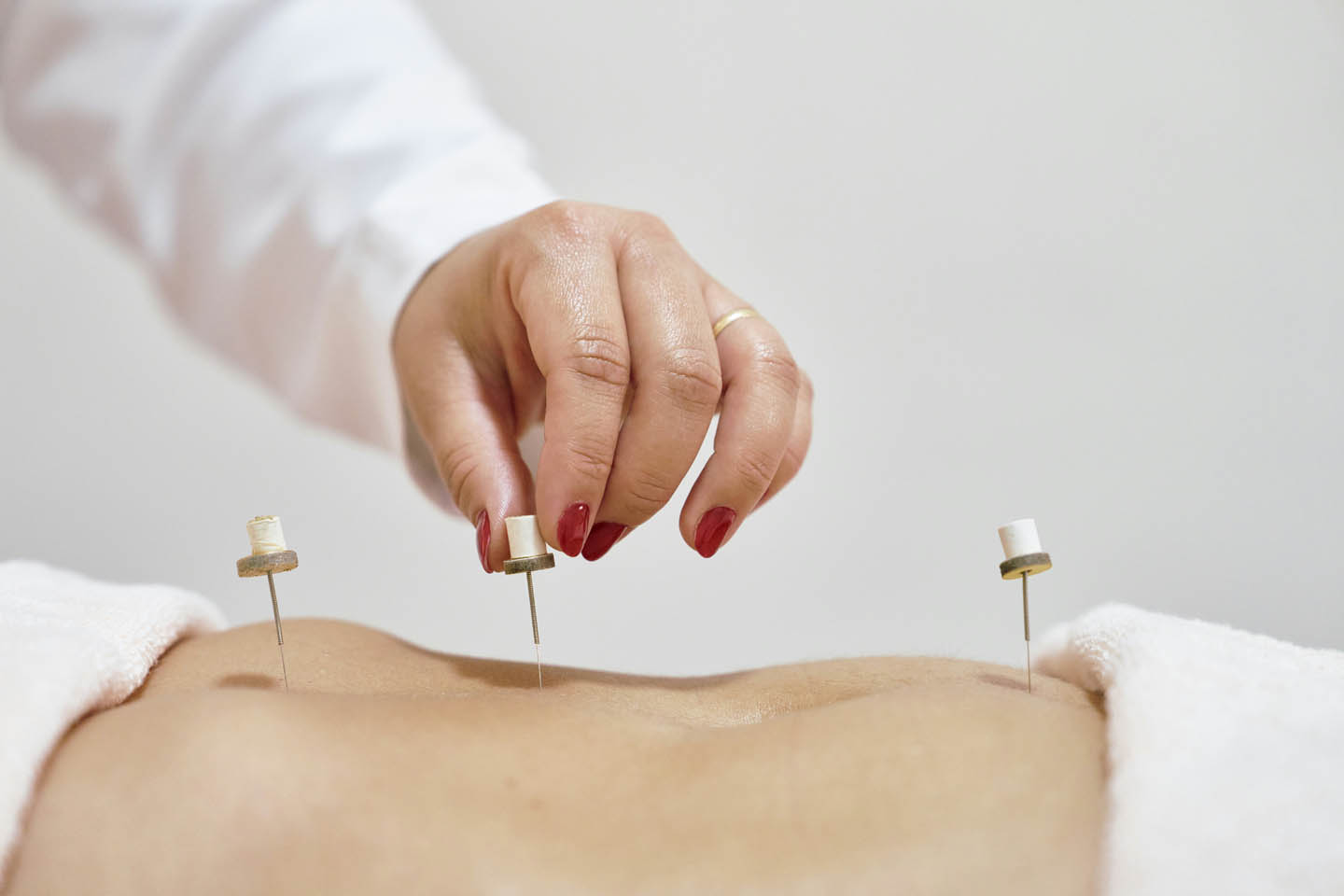
Moxa is made out of dried mugwort and I used both forms in my clinic, dried form that goes directly on to your skin and rolled like cigar that does not have direct contact with your skin. Moxa is used to warm an acupuncture point on your toe. Appointment involves short consultation, treatment and after you will be given Moxa stick and instructions on how to use it at home.

Why choose acupuncture during pregnancy
Pregnancy is a unique and often transformative journey for many women. At Karolina Acupuncture in Henley on Thames, we offer pregnancy acupuncture and other complementary therapy options to support maternal health, reduce discomfort, and improve wellbeing throughout pregnancy. These treatments are designed to work alongside conventional maternity care and other healthcare providers involved in your pregnancy journey.
Acupuncture is a form of traditional acupuncture rooted in traditional Chinese medicine and involves the insertion of thin acupuncture needles into carefully selected acupuncture points on the body. This gentle treatment may help support the nervous system, improve blood flow, and encourage the body’s own mechanisms for comfort and balance. It is also commonly paired with pregnancy reflexology and foot reflexology for additional support.
Many women seek alternative therapies such as pregnancy acupuncture to relieve symptoms of pregnancy and support general health without relying on medication. As a complementary therapy, acupuncture can be adapted to each stage of pregnancy and tailored to individual needs.
How acupuncture may support pregnancy
Pregnancy acupuncture may help with a range of common pregnancy symptoms, including back pain, pelvic pain, and muscular discomfort caused by physical changes in the body. Some women find treatment helpful for managing morning sickness, particularly during early pregnancy and the first trimester.
Acupuncture may also support emotional wellbeing by helping to regulate stress hormones, reduce stress levels, and encourage relaxation within the nervous system. Many women report improved sleep, reduced anxiety, and an overall sense of calm after treatment.
Some research, including findings discussed in the Iranian Journal, suggests pregnancy acupuncture significantly reduced pain and discomfort for certain women, although more research is needed. Acupuncture is generally considered safe when provided by a qualified practitioner and used alongside medical care.
What to expect from your treatment
At your first appointment, your acupuncture practitioner will take a detailed medical history and discuss your pregnancy, symptoms, and any existing medical conditions. A physical examination may be carried out to ensure your treatment is appropriate, particularly if you have health conditions such as a bleeding disorder or if your pregnancy is classed as high risk.
Each treatment uses fine needles placed into specific points on the body. The needles puncture the skin gently and most women find the sensation minimal. Acupuncture is generally relaxing, and many women feel calmer during and after their session.
A personalised treatment plan will be created to reflect your stage of pregnancy, symptoms, and overall health. Certain acupuncture points and acupressure points are avoided during pregnancy, particularly in early pregnancy, to ensure safety.
Acupuncture throughout the stages of pregnancy
Early pregnancy
During early pregnancy, acupuncture may help relieve symptoms such as morning sickness, fatigue, anxiety, and digestive discomfort. Practitioners may also use acupressure points instead of needles where appropriate.
Later stages of pregnancy
In the later stages of pregnancy, acupuncture can support general comfort, help manage back pain and pelvic pain, and promote relaxation as your body prepares for birth. Specific points may be selected to support blood flow and encourage physical readiness for labour.
Some women explore acupuncture treatment closer to their due date to help induce labour naturally when appropriate and with the agreement of their midwife or other healthcare providers. Treatments are always tailored carefully and only offered when suitable.
First stage of labour and birth preparation
Acupuncture may be used as part of preparation for giving birth, helping women feel calmer and more supported as they approach labour and birth. This may include techniques that focus on relaxation, breathing, and reducing tension.
Pregnancy reflexology as a complementary option
Pregnancy reflexology is often chosen alongside acupuncture as part of a holistic approach to pregnancy care. Reflexology involves applying pressure to areas of the feet, hands, and ears that correspond to different parts of the body. Many women find reflexology deeply calming and supportive for emotional wellbeing and stress reduction.
Pregnancy reflexology does not involve needles and may be particularly appealing to women seeking gentle alternative treatments during pregnancy.
Safety and professional standards
Acupuncture is generally safe when carried out by a regulated healthcare professional with specialist pregnancy training. Your practitioner should be a member of a national acupuncture organisation and recognised by the Natural Healthcare Council.
It is important to inform your practitioner about your full medical history, including any medical conditions, medications, or pregnancy complications. This ensures treatment remains appropriate and safe throughout pregnancy.
Post natal support
Acupuncture and reflexology can also support post natal women during the post natal period. Treatment may help restore health, support emotional balance, and assist with recovery after birth as you adjust to life with your new baby.
Complementary care and personalised pregnancy support
For many pregnant women, acupuncture is chosen as a complementary therapy that works alongside midwifery care, GP support, and other healthcare providers. As a complementary therapy, it is designed to support the body rather than override natural processes, making it appealing to women seeking gentle and responsive care during pregnancy.
Western medical acupuncture is sometimes used within pregnancy care to focus on pain pathways, muscle tension, and the nervous system. This approach may offer beneficial effects for pregnant women who are experiencing physical discomfort or emotional challenges as their pregnancy progresses.
Pregnant women often describe pregnancy as both physically demanding and emotionally intense. Treatment can be adapted for pregnant women at different stages, including those navigating discomfort, fatigue, or heightened stress. Sessions are designed to promote relaxation and support well being, helping pregnant women feel more comfortable and supported as their body changes.
Complementary therapy
In some cases, and only when appropriate, acupuncture may be used later in pregnancy to help induce labour naturally. This is always discussed carefully and never offered during the first trimester or without consideration of individual circumstances, particularly in high risk pregnancies.
Reflexology treatments may also include the use of natural substances such as gentle balms or oils, creating a nurturing environment that supports relaxation and emotional balance. These approaches aim to reduce stress and help women feel calmer and more grounded.
By supporting physical comfort and emotional resilience, holistic care may help improve quality of life during pregnancy. Each treatment focuses on the whole body, recognising the connection between physical symptoms, emotional health, and overall wellbeing.
Supporting your health throughout pregnancy
Complementary therapies such as acupuncture and reflexology can play a valuable role in supporting women throughout pregnancy. Many women choose these treatments to improve wellbeing, manage pain, reduce stress, and enhance their overall experience of pregnancy.
If you would like to explore pregnancy acupuncture or reflexology in Henley on Thames, Karolina Acupuncture offers professional, compassionate care tailored to your individual needs.